Latest in this channel
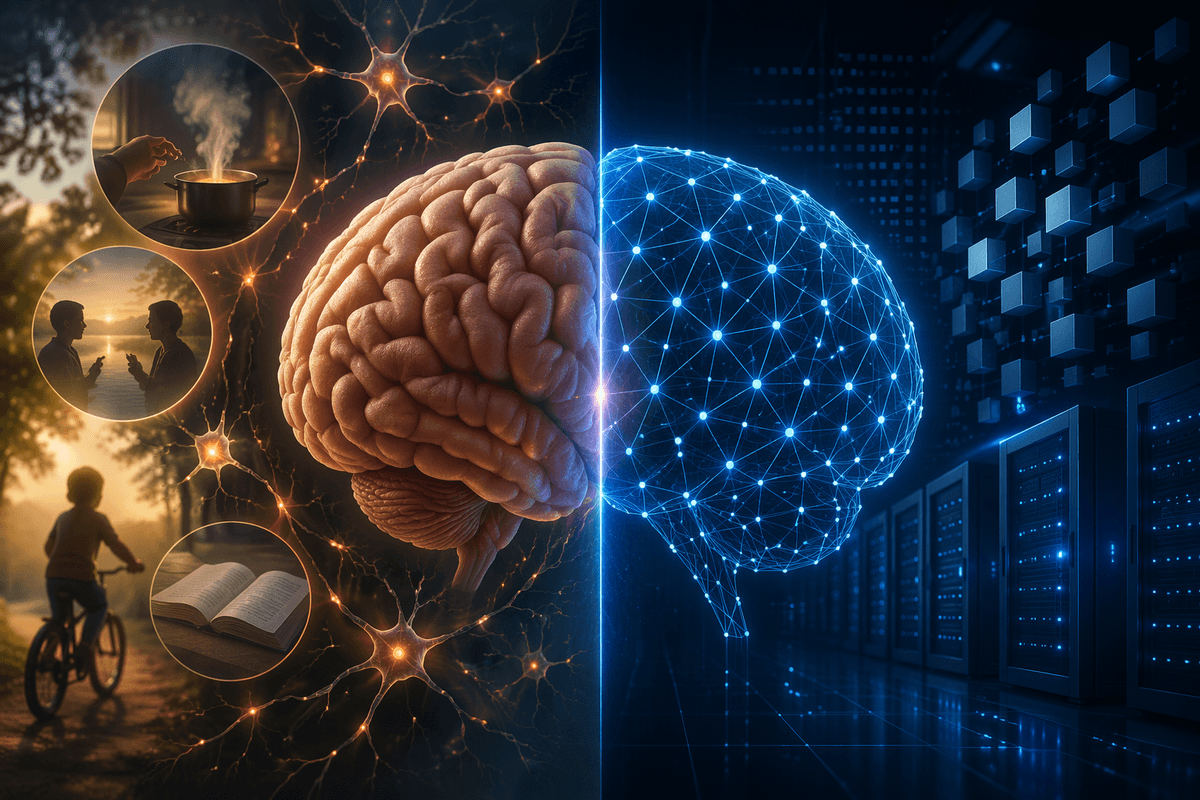
Neural Networks Differ From Human Brains
How neural networks differ from human brains: why the brain metaphor misleads, what artificial neurons do, and how backprop, data, memory, and robustness shape real AI limits.
By Kristina Cappetta
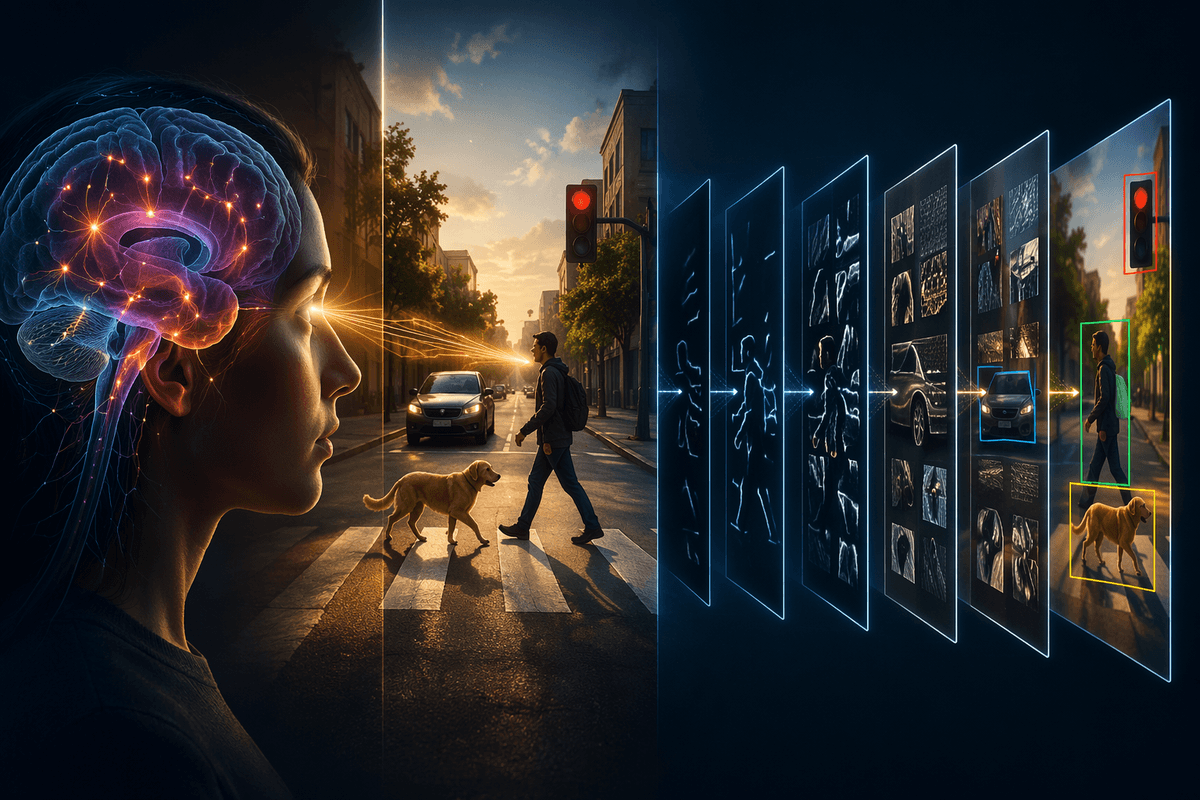
Computer Vision Mimics Human Brain Processing
Explore why computer vision is compared to the human brain—CNN layers, attention, and learning signals—and where the analogy breaks in practice.
By Georgia Vincent
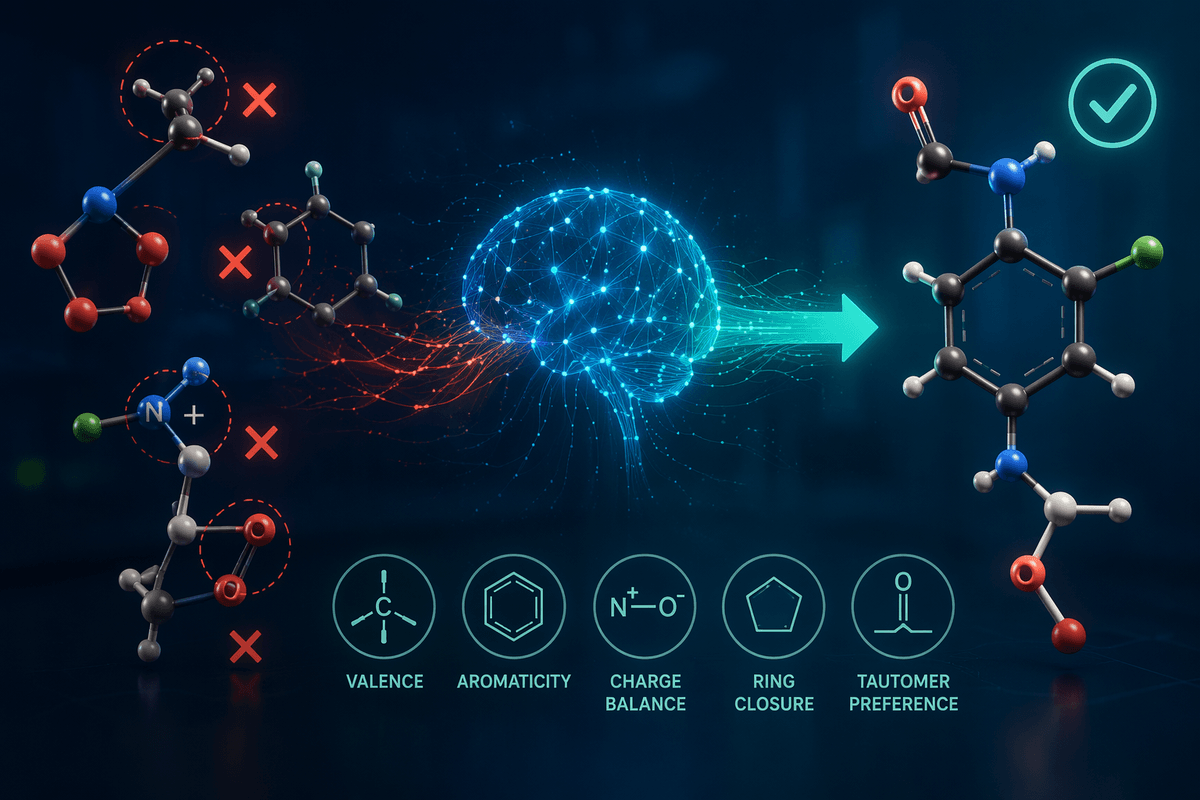
Molecular AI Learns Chemical Structure Rules
Learn why molecular AI must learn chemical structure rules like valence and aromaticity, not just benchmark scores, to generate valid, reliable molecules.
By Mason Garvey

Structured Reasoning Improves AI Problem Solving
Learn how structured reasoning improves AI problem solving by surfacing constraints, assumptions, and verification checks—plus prompts to reduce quiet errors.
By Gabrielle Bennett
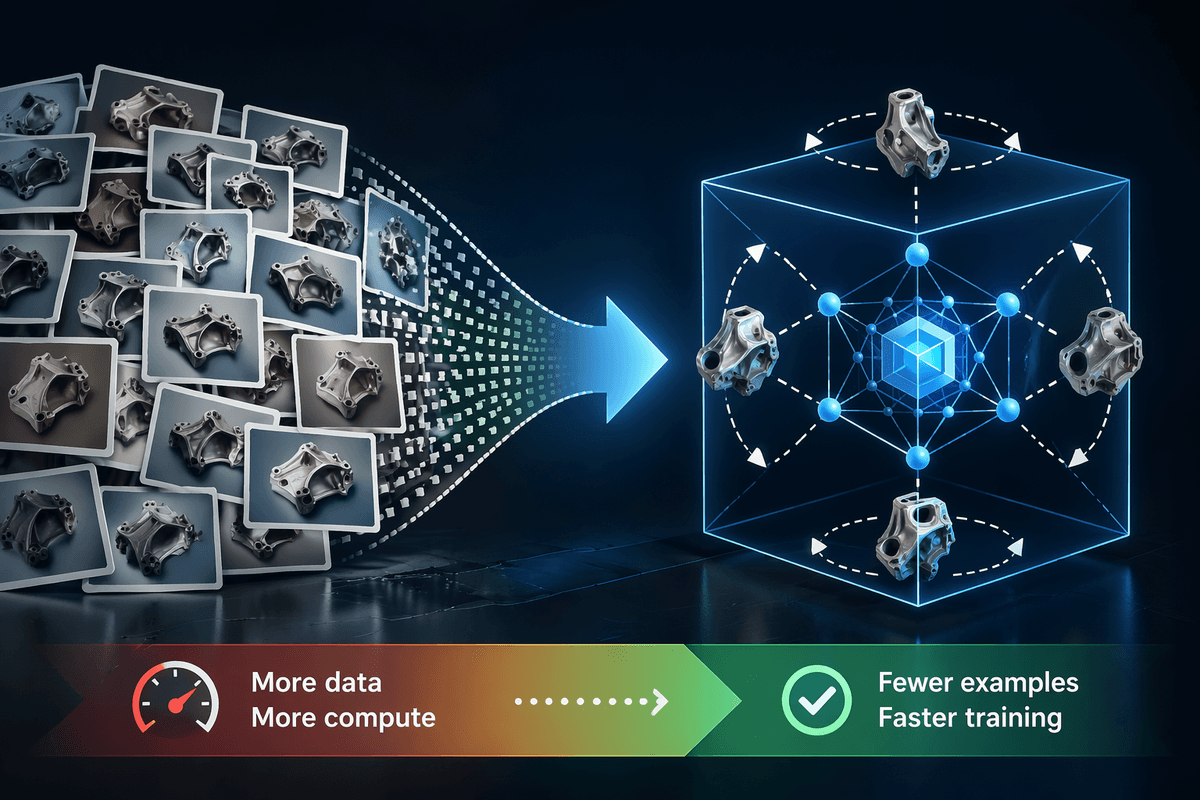
Symmetry Learning Improves AI Training Efficiency
Learn how symmetry learning cuts AI training cost by reducing redundant data via augmentation, constraints, and equivariant models—without falling into wrong invariance traps.
By Kristina Cappetta

Understanding the Metaverse: How Digital Spaces Are Becoming Everyday Places
What the metaverse really is, how it works, and why it’s changing how we interact online. Learn how virtual worlds, VR, and blockchain are building the future of the metaverse
By Alison Perry